



Best Vitamins for Prostate Health
Find out which vitamins are essential for prostate health and how they help maintain urinary function, reduce inflammation, and support overall prostate wellness for men at any age.

 Fact Checked
Advertiser Disclosure: We independently select all the products. If you click through links we provide, we may earn a commission.

The prostate is a small gland, but it matters more than most people realize. The prostate helps with semen production and also supports hormones. But as men age (usually when they become over 40 years of age), the prostate can start causing problems.
If you’re having a prostate problem, you might notice changes in how frequently you use the bathroom or how long it takes to pee. That’s usually the beginning of something called BPH, or benign prostatic hyperplasia. And while BPH isn’t cancer, it can make everyday life uncomfortable. Then there’s the bigger concern, “prostate cancer”, which becomes more common with age.
Now, you don’t have to wait for problems to start before doing something about them. That’s where the right prostate vitamins come in. Specific nutrients can improve prostate function, help reduce inflammation, and lower your risk of getting bigger prostate problems.
And in this article, we will discuss natural supplements for prostate health. Let’s walk through them together.
Best Vitamins to Support Prostate Health Naturally
Here are the best vitamins to naturally support your prostate health.
- Vitamin D
- Vitamin E
- Vitamin C
- Vitamin B6
- Vitamin B9 (Folic acid).
 Best Vitamins Supplement Facts
Vitamin D: An Essential Vitamin for Prostate Health
Vitamin D is often overlooked, but it plays an important part in keeping the prostate healthy. It helps regulate hormones and supports the normal growth of prostate cells. The risk of inflammation and irregular cell activity increases without enough of it.
Several studies have linked low levels of vitamin D to prostate conditions. Men who do not get enough of this nutrient are more likely to experience symptoms related to BPH or develop more serious issues later in life. This is one reason many experts include vitamin D in the best prostate supplements on the market.
Your body can make vitamin D from sunlight. 10 to 30 minutes outdoors a few times a week may help. However, this may not be enough if you live in an area with limited exposure to sunlight or spend most of your time indoors. You can also get vitamin D from fatty fish such as salmon, mackerel, sardines, and fortified foods like dairy and cereal.
If your diet and sun exposure are insufficient, a high-quality prostate health supplement with vitamin D can help maintain healthy levels. This simple step supports not just your prostate but your immune system.
Vitamin E: A Powerful Antioxidant for Prostate Protection
Vitamin E helps protect your prostate cells from damage. It fights off free radicals, unstable molecules that can harm the body over time. This protection is invaluable for men who want to reduce their risk of prostate issues as they age. That’s why vitamin E is often included in prostate vitamins and prostate health supplements.
Some research has explored the connection between vitamin E and prostate cancer risk. Specific forms of vitamin E help support healthy prostate tissue when taken safely. However, more is not always better. Too much can lead to other concerns, so using the correct dosage from trusted sources is best.
You can get vitamin E from everyday foods. Peanuts, sunflower seeds, and spinach are easy to add to your meals. Avocados and vegetable oils also offer a healthy amount. If these are not part of your regular diet, using a high-quality prostate gland supplement with vitamin E can help you meet your daily needs without overdoing it.
During our research, we discovered an insightful video by Dr. Jedosa, The PharmD, discussing the top vitamins for prostate health. Wondering which vitamins may support benign prostatic hyperplasia (BPH)? Watch the video to learn more and uncover the key insights!
Vitamin C: A Good Vitamin to Strengthen the Immune System for Prostate Health
Vitamin C is best known for supporting the immune system, but it also helps protect the prostate. It fights inflammation, supports tissue repair, and allows the body to respond better to potential health threats.
Some findings suggest that vitamin C may help lower the risk of prostate issues, including cancer. Its ability to reduce oxidative stress and promote healthy cell function makes it a valuable addition to many natural supplements for prostate health and natural remedies for enlarged prostate. While it is not a cure, it works well alongside other nutrients to support long-term prostate function.
Citrus fruits like oranges and grapefruits are well-known sources. Bell peppers, broccoli, and strawberries also offer substantial vitamin C. If your meals often lack these foods, consider a trusted prostate food supplement with the right daily dose.
Vitamin C is water-soluble, so the body uses what it needs and removes the rest. That makes it safe for most people and easy to include in your routine. Whether through food or supplements, it helps your body stay strong and supports your prostate.
Advertisement


Vitamin B6: A Good Vitamin for Hormonal Balance and Prostate Support
Vitamin B6 helps the body keep hormone levels steady. This includes testosterone and estrogen, which can affect how the prostate grows. When these hormones are out of balance, the prostate may become enlarged, leading to problems like frequent urination or weak flow. Getting enough vitamin B6 lowers the chance of those issues starting or getting worse.
Some research suggests that vitamin B6 can also help reduce inflammation in the prostate. This may protect the gland over time and support normal function. That’s why it is often included in trusted prostate supplements made for older men.
Good food sources of vitamin B6 include chickpeas, chicken, potatoes, and bananas. If you are not getting enough of these in your diet, you might benefit from a prostate health supplement that contains the right amount of vitamin B6.
Folic Acid (Vitamin B9): Cellular Health and Prostate Function
Folic acid, vitamin B9, supports healthy cell growth and repair. It plays a key part in how cells divide and develop. This matters for prostate health because abnormal cell growth can lead to long-term problems, including cancer. Keeping enough folic acid in your system lowers the risk of these issues before they begin.
Some research suggests that a steady intake of folic acid can support the prostate’s natural functions and promote stable cell activity. That is why it appears in many trusted prostate vitamins and prostate health supplements designed for men over 40.
You can get folic acid from spinach, kale, lentils, black beans, and fortified cereals. These foods are easy to add to meals, but not everyone eats them regularly. If that’s the case, a quality prostate supplement with folic acid may help fill the gap.
Vitamin B6: A Good Vitamin for Hormonal Balance and Prostate Support
Vitamin B6 plays a vital role in hormonal balance in the body such as testosterone and estrogen hormones. These hormones are very influential to prostate growth and health. An imbalance in these levels can cause an enlargement of the prostate, which causes problems in the form of frequent urination or weak urine flow. Sufficient Vitamin B6 intake will reduce the risk of these problems beginning or becoming more severe.
Scientific Evidence:
- Journal of Nutrition and Metabolism: Some studies indicate that vitamin B6 can be used to control steroid hormone receptors which determine the health of the prostate tissues.
- 2025 Study: A recent study has established relationships between high enough levels of vitamin B6 and better prostate health markers.
Why Vitamin B6 Works:
Vitamin B6 assists in keeping hormones in check and this is crucial to prostate functioning. It also contributes to the decreased inflammation in the prostate which provides long-term protection to the gland and helps in normal functioning. This is among the reasons as to why vitamin B6 is widely incorporated in prostate supplements particularly those designed to meet the requirements of elderly men.
Recommended Daily Intake:
The recommended daily dose of vitamin B6 is 1.3-1.7 mg. A consistent and adequate dose of the nutrient is ideal to keep the hormones balanced and contribute to the well-being of the prostate.
Food Sources of Vitamin B6:
Among the foods that contain vitamin B6 are chickpeas, chicken, potatoes, bananas and fortified cereals. The prostate health supplement with vitamin B6 can be a good filler for your daily needs in case these foods are not a part of your diet.
Why It Works:
Vitamin B6 assists in the immune mechanism and hormonal balance, which is vital in ensuring prostate health and minimizing the chances of developing other problems.
Vitamin D and Prostate Health: Essential for Cell Regulation.
Vitamin D is essential for keeping the prostate healthy. It balances the hormones, promotes normal prostate cell growth, and aids in the reduction of inflammation. Lack of sufficient vitamin D puts the risk of prostate complications such as BPH (Benign Prostatic Hyperplasia) at a higher risk. Some of the researches indicate that low levels of vitamin D are associated with prostate diseases and men who are already deficient are likely to develop the same disease in the future.
Scientific Evidence:
- 2024 Cureus Study: Men with optimal levels of vitamin D had superior prostate health markers to those with deficiencies.
- Harvard Medical School: Vitamin D acts to control prostate cell growth and differentiation.
Sources of Vitamin D:
The primary sources of vitamin D include sun exposure (10–30 minutes 2–3 times a week) and food containing fatty fish (salmon, mackerel) and egg yolks and fortified dairy products. Nevertheless, supplementation is required by many to keep the levels optimal.
Recommended Intake:
The recommended dose of vitamin D is 1000 to 2000 IU a day; however, individuals with deficiencies may need an increased dose.
Why It Works:
Prostate tissue vitamin D receptors serve to regulate cell growth, lower inflammation and support immune functions, and are required for the general well-being of the prostate.
Vitamin D supplements, which can be in the form of sunlight, diet or supplements, can go a long way in helping to keep the prostate healthy and in order to minimize any chances of developing the complications associated with it.
Vitamin E: A Powerful Antioxidant to protect the prostate.
Vitamin E is a strong antioxidant that protects the prostate cells against oxidative damage due to free radicals. Such unstable molecules may cause damage to the body in the long run, elevating the chances of developing prostate problems. This is especially crucial to older men, who are more susceptible in age, thus, vitamin E is usually added to prostate health supplements.
Scientific Evidence:
- Previous Investigations: Research had initially demonstrated that vitamin E had potential in helping to protect the prostate. Nonetheless, recent discoveries have cast doubt on high-dose supplements.
- SELECT Trial: The SELECT trial reported that high dosages of isolated alpha-tocopherol (one of the forms of vitamin E) can have negative effects on the health of the prostate.
- Natural Vitamin E: This is a type of vitamin E complex that includes all eight types of vitamin E that is regarded as safer and more effective in moderate amounts.
Recommended Daily Intake:
The consumption of mixed tocopherols (not isolated alpha-tocopherol) 15-30 mg/day is advised. Isolated vitamin E supplements of high dose (400 IU or more per day) are not recommended because of possible risks.
Food Sources of Vitamin E:
Peanuts, sunflower seeds, spinach, avocados and vegetable oils are some of the common foods that contain vitamin E. These can be incorporated into your diet so as to keep the prostate cells healthy.
Why It Works:
The vitamin E counteracts the effects of the free radicals, which means that oxidative stress is minimized, and cells are supported in the prostate. It also helps the general immune system which is critical in the protection of the prostate.
Important Note:
Even though vitamin E is a good one, it is important not to take it excessively. To prevent any side effects, pay attention to the intake of vitamin E in the form of food or balanced supplements containing moderate levels of mixed tocopherols.
Essential Minerals to Support Prostate Health
The following are essential minerals that help to support prostate health:
- Zinc
- Selenium
Zinc for Prostate Health and Immune Function
Zinc is one of the most essential minerals for prostate care. It helps control how prostate cells grow and supports the production of male hormones. Without enough zinc, the prostate may become more prone to enlargement and other conditions.
Zinc also helps lower inflammation. Inflammation in the prostate can lead to discomfort, frequent urination, or a weak stream. Keeping zinc levels steady may help ease these symptoms and support the body’s natural defenses. For this reason, zinc is often included in the best prostate and prostate gland supplements available today.
You can get zinc from pumpkin seeds, oysters, red meat, and beans. These foods are rich in minerals, but getting enough from a diet alone can be hard. If that is the case, a reliable prostate health supplement with zinc can help meet your needs.
Selenium: The Antioxidant That Protects Prostate Cells
Selenium is a trace mineral that has a strong antioxidant effect which is very important in the protection of the prostate. It aids in combating oxidative stress, which may damage the cells over time. Such oxidative damage can cause inflammation or the development of abnormal cell changes in the prostate and the risk of developing problems such as prostate cancer is increased. Selenium helps the body to have a natural defense mechanism and maintain the well-being of the prostate by minimizing oxidative stress.
Scientific Evidence:
- Mixed Results: Studies of the effect of selenium on prostate health have produced mixed findings. Some studies indicate that it is beneficial and some studies indicate no effect as well as concerns about high doses.
- 2012 Meta-Analysis: A meta-analysis in the American Journal of Clinical Nutrition reported that moderate intake of selenium in food sources was correlated with improved prostate health outcomes in comparison with high-dose selenium supplements.
Why Selenium Works:
The incorporation of selenium in proteins produces selenoproteins that are important antioxidant enzymes. These enzymes serve to prevent oxidative damage of prostate cells in favor of long-term prostate functioning.
Recommended Daily Intake:
The daily dosage of selenium is 55 to 70 mcg. The food sources are the best way of getting the right amount of selenium because the supplements obtained in large doses can be harmful.
Food Sources of Selenium:
Brazil nuts, tuna, sardines and whole grains are foods that contain selenium. Brazil nuts are a good source of selenium and a single or two nuts a day should supply all the selenium you need in a day. Seafood and grains should also be taken regularly to make sure that the intake of selenium is adequate.
Important Note:
Like other antioxidants such as vitamin E, excessive amounts of selenium supplements should be taken in moderation. Relying on food sources or even on the balanced supplements that contain moderate levels of selenium is better.
According to Dr Michael Anderson
Maintaining prostate health requires a comprehensive approach that includes not only the right vitamins and minerals but also a healthy lifestyle. Nutrients like vitamin D, zinc, and selenium play critical roles in hormone regulation, inflammation reduction, and cellular protection, which are essential for preventing common prostate issues as men age. I always recommend men to combine diet, exercise, and regular screenings for the best long-term prostate wellness.
Best Foods for Prostate Health: Nutrient Powerhouses
| Food | Key Nutrients | Prostate Health Benefit |
|---|---|---|
| Salmon | Vitamin D, Omega-3s | Supports prostate cell growth, reduces inflammation |
| Sunflower Seeds | Vitamin E | Protects prostate cells from oxidative stress |
| Oranges | Vitamin C | Reduces inflammation, supports immune function |
| Chicken | Vitamin B6 | Maintains balanced hormones, reduces prostate inflammation |
| Spinach | Vitamin B9 (Folic Acid), Vitamin E | Supports cell growth, reduces oxidative stress |
| Pumpkin Seeds | Zinc | Reduces prostate inflammation, supports immune function |
| Brazil Nuts | Selenium | Protects prostate cells, reduces cancer risk |
How to Incorporate Vitamins for Prostate Health into Your Diet
Supporting your prostate with the right vitamins does not have to be difficult. Small changes to your meals can make a big difference over time. The goal is to include foods rich in key nutrients like vitamin D, vitamin E, vitamin C, B vitamins, zinc, and selenium.
Here are some simple ways to get started:
Breakfast ideas
- Fortified cereal with low-fat milk
- A side of fruit, like strawberries or an orange, provides vitamin C and folic acid
Lunch options
- Grilled chicken or turkey
- Leafy green salad topped with sunflower seeds. These are good sources of vitamin B6, vitamin E, and zinc
Snack choices
- A handful of peanuts
- Pumpkin seeds. These are great for zinc and healthy fats
Dinner suggestions
- A serving of salmon or sardines
- Roasted broccoli and sweet potatoes. They add vitamin D, selenium, and B vitamins to the body.
Smoothie mix
- Spinach
- Banana
- Yogurt
- Ground flaxseeds (These cover a wide range of nutrients linked to prostate care)
Even with a balanced diet, it can still be hard to get every essential nutrient every single day. That is where supplements come in. A well-made prostate supplement can help fill in the gaps, especially for men who do not regularly eat certain foods or who have specific deficiencies.
Lifestyle Habits to Complement Prostate Health
Vitamins and minerals are helpful, but work best with healthy daily habits. Here are some simple lifestyle changes that can make a lasting difference in how your prostate functions as you age:
Stay physically active
Regular physical activity helps balance hormones and improves blood flow to support the prostate.
- Aim for at least 30 minutes of movement most days (walking, swimming, yard work).
- Staying active also helps control weight, which is important since excess weight is linked to a higher risk of prostate issues.
Eat a balanced diet
A diet rich in colorful fruits, vegetables, lean proteins, and whole grains supports prostate health.
- These foods help your body get the nutrients in prostate health vitamins and natural supplements for prostate health.
- Avoid processed foods and limit red meat to help lower inflammation.
- Adopt the prostate health diet to promote and maintain optimal prostate health.
Advertisement


Manage stress
Stress can affect your hormones and immune function.
- Try breathing exercises, time outdoors, or short breaks during the day to stay centered.
Get quality sleep
Poor sleep may increase inflammation and weaken your body’s defenses.
- Aim for 7 to 8 hours of sleep each night.
Limit alcohol intake
Too much alcohol can irritate the prostate and affect hormone levels.
- Reducing alcohol helps protect the prostate and supports your energy and focus.
Prostate Health Supplements: When Should You Consider Them?
Prostate supplements can be helpful, but they are not for everyone. For many men, vitamins from food may be enough. However, if your diet is lacking or you are starting to notice early signs of prostate discomfort, a supplement can help support your efforts.
The benefits of supplements include convenience and consistency. A single capsule can provide several nutrients your body needs. On the other hand, not all supplements are made the same. Some contain low-quality ingredients or added fillers that offer little value. That is why it is essential to read labels and choose wisely.
Support Prostate Health Naturally with ProstateSP’s Nutritional Formula
 Prostatesp
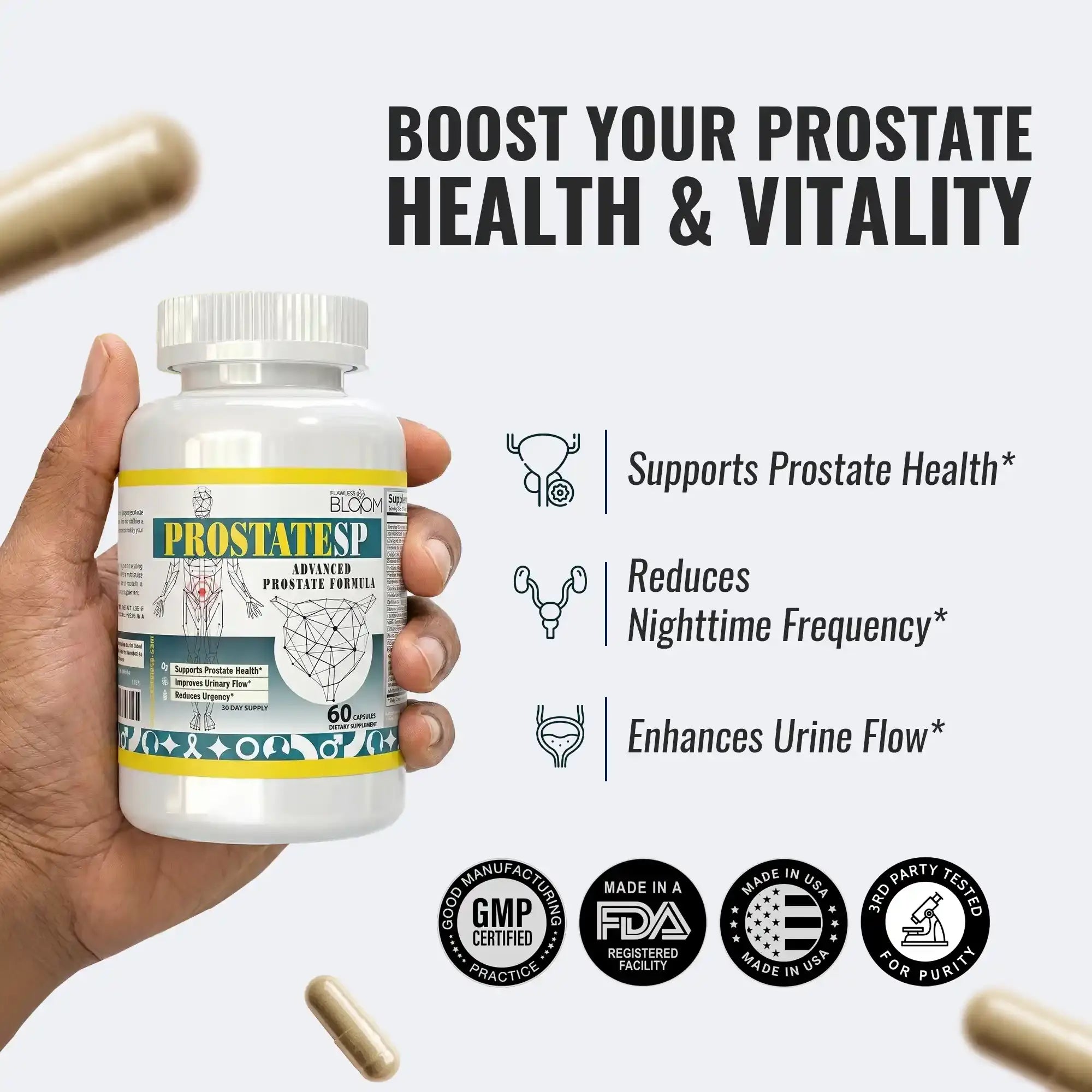
One option worth considering is ProstateSP, a science-based supplement made with ingredients that support real prostate function. It includes vitamin D, E, zinc, and selenium, nutrients that protect prostate cells, balance hormones, and support healthy growth patterns. ProstateSP can be a good match for men who want to bridge nutritional gaps or strengthen the benefits of a healthy diet.
When shopping for a prostate supplement, look for products with transparent labeling, clinical backing, and no unnecessary additives. Avoid anything with artificial colors, preservatives, or mystery blends.
When to Consult a Healthcare Provider for Prostate Health
While vitamins and lifestyle changes can support prostate health, there are times when medical attention is necessary. So,
Watch for warning signs
- Frequent urination
- Pain or burning during urination
- Discomfort in the lower abdomen
- Weak or interrupted urine flow
These signs above may indicate an enlarged prostate or another issue that needs a doctor’s care.
Make regular checkups a priority
- Most men should begin prostate screenings around age 50.
- If you have a family history of prostate problems, you may need to start earlier.
- Screenings can detect changes before symptoms appear, making early treatment possible and more effective.
Don't wait until something feels wrong
- Even if you feel fine, a simple test can offer peace of mind.
- A healthcare provider can also help you decide if prostate health vitamins or supplements are right for you, especially if you're on other medications or managing health conditions.
Conclusion
Taking care of your prostate starts with the right nutrients. Vitamins like D, E, C, B6, folic acid, and minerals such as zinc and selenium can support prostate function, hormone balance, and cell protection. These nutrients are found in food and high-quality prostate supplements, making them easy to include in your daily routine.
But vitamins alone are not enough. A balanced diet, regular physical activity, stress control, and quality sleep work together to keep your prostate healthy. Reducing alcohol, staying healthy, and listening to your body also make a real difference over time.
There is no one-size-fits-all approach. What works for one person may not be right for another. Talking to a healthcare provider before starting any new supplement is always best. They can help you choose what fits your specific needs and guide you toward better long-term results.
FAQs

Our Top Prostate Supplements Choices
Here are our top picks for the most effective Prostate Supplements products currently available in the market, as per our assessment.
#1. ProstateSP
-
Pros
- Reduces nighttime bathroom trips*
- Helps improve urine flow and strength*
- Supports healthy prostate function*
- Reduces inflammation*
- Balances hormones for men over 40*
-
Cons
- Results may vary from person to person
- Available exclusively online
- Requires consistent daily use for optimal results

Rating Breakdown
- Ingredients

- Effectiveness
- Safety
- Cost
Overall Rating
4.9
#2. ProstaVive
-
Pros
- Improves prostate function, reducing BPH symptoms like frequent nighttime urination.*
- Includes Boron, Longjack, and Panax Ginseng, known for prostate health.*
- Increases overall vitality, improving daily energy levels.*
-
Cons
- Only available on the official website
- Some users report needing weeks to notice benefits.
- Some may experience digestive discomfort, which typically subsides.

Rating Breakdown
- Ingredients
- Effectiveness
- Safety
- Cost
Overall Rating
4.8
#3. Prostadine
-
Pros
- Supports prostate health with natural, plant-based ingredients*
- Improves urinary flow and reduces frequent bathroom trips*
- Enhances sleep quality by reducing nighttime urination*
- Improves kidney function and boosts testosterone levels*
-
Cons
- May require a few weeks to show noticeable results
- Higher price compared to some other prostate supplements
- May not work equally well for all users
Some users may find the taste or dosage inconvenient

Rating Breakdown
- Ingredients
- Effectiveness
- Safety
- Cost
Overall Rating
4.8
Read More Articles


EXPLORE ALL PRODUCTS



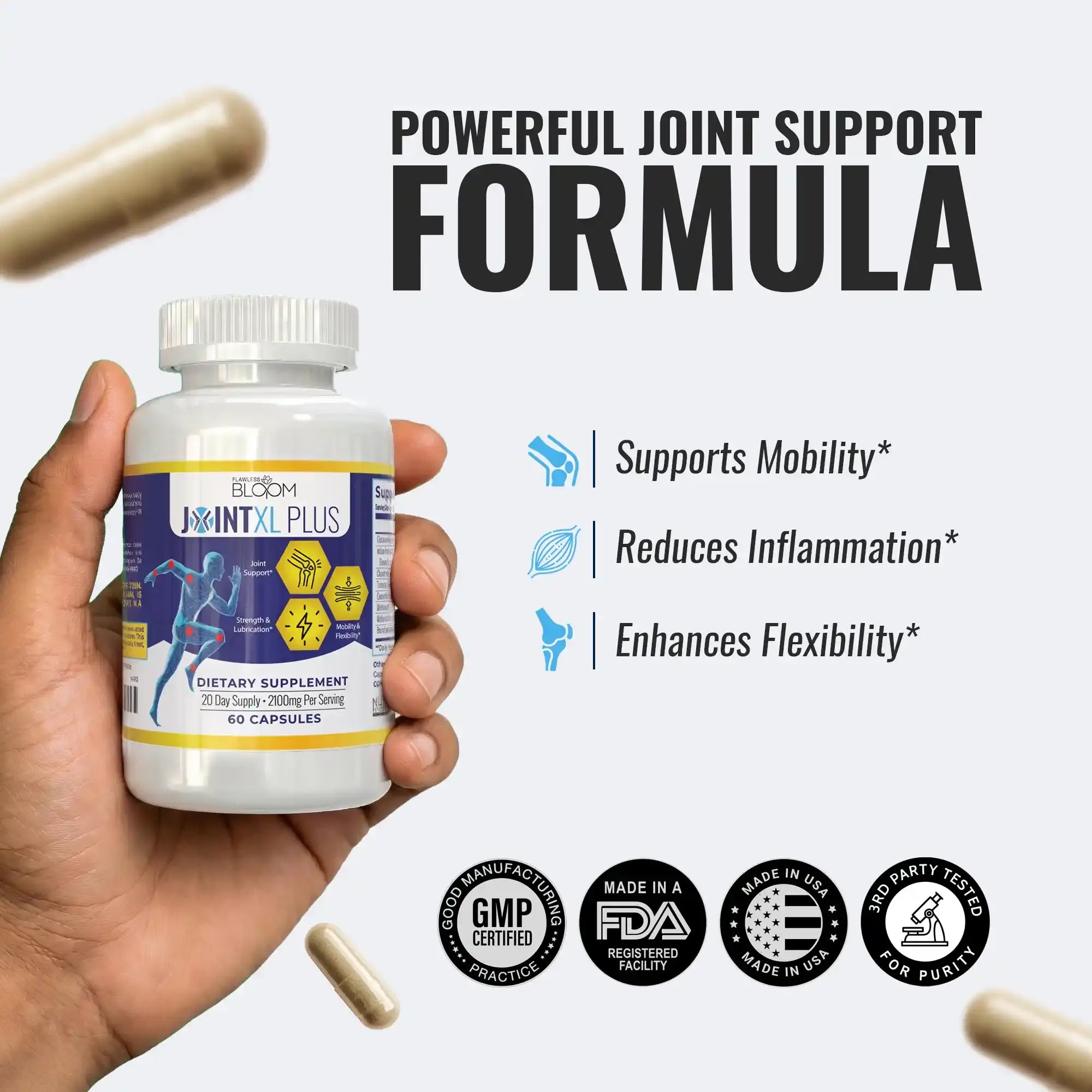

JointXL Plus - Integratore avanzato per il supporto di ossa e articolazioni con glucosamina





2 commenti
After using ProstateSP for a few weeks, I’m noticing some great improvements in my urinary flow. The nighttime bathroom trips have decreased, and I feel much more comfortable overall. I highly recommend this for anyone looking for prostate support!
After taking these vitamins for a few weeks, I feel like they’re a good addition to my routine. No major effects yet, but they provide the essential nutrients for prostate health.