




What Can Cause Lower Back Pain in Women?
Lower Back Pain in Women – Causes, Symptoms, and Effective Treatment Options

 Fact Checked
Advertiser Disclosure: We independently select all the products. If you click through links we provide, we may earn a commission.


Key Takeaways
- Lower back pain in women can arise from a range of causes, including hormonal changes, pregnancy, and reproductive health conditions.
- Menstrual-related pain, such as PMS, PMDD, and dysmenorrhea, is commonly linked to lower back discomfort.
- Conditions like endometriosis, fibroids, and pelvic inflammatory disease (PID) can result in chronic back pain.
- Ovarian cysts, fibroids, and pregnancy-related changes are other key contributors to lower back pain in women.
- Non-reproductive causes such as sciatica, herniated discs, and muscle strain also play a significant role.
- For temporary relief, home remedies like heat/cold therapy and gentle exercise may help; long-term management may require physical therapy and medications.
- If back pain becomes severe or persists, it’s critical to seek medical attention to identify any serious underlying conditions.
Lower back pain is an issue that both men and women may experience. But for women, there are some specific factors that could add to the discomfort they feel in this area. By 2020, 619 million people suffered from lower back pain globally and by 2050, 843 million people are projected to fall into this category.
For women, this pain can be caused by many issues, from lifestyle factors to reproductive health. We are going to take a closer look at some of these causes, learn how to recognize the symptoms, and then know how to manage and treat lower back pain for better health.
Common Causes of Lower Back Pain in Women
1. Menstrual-Cycle Related Pain
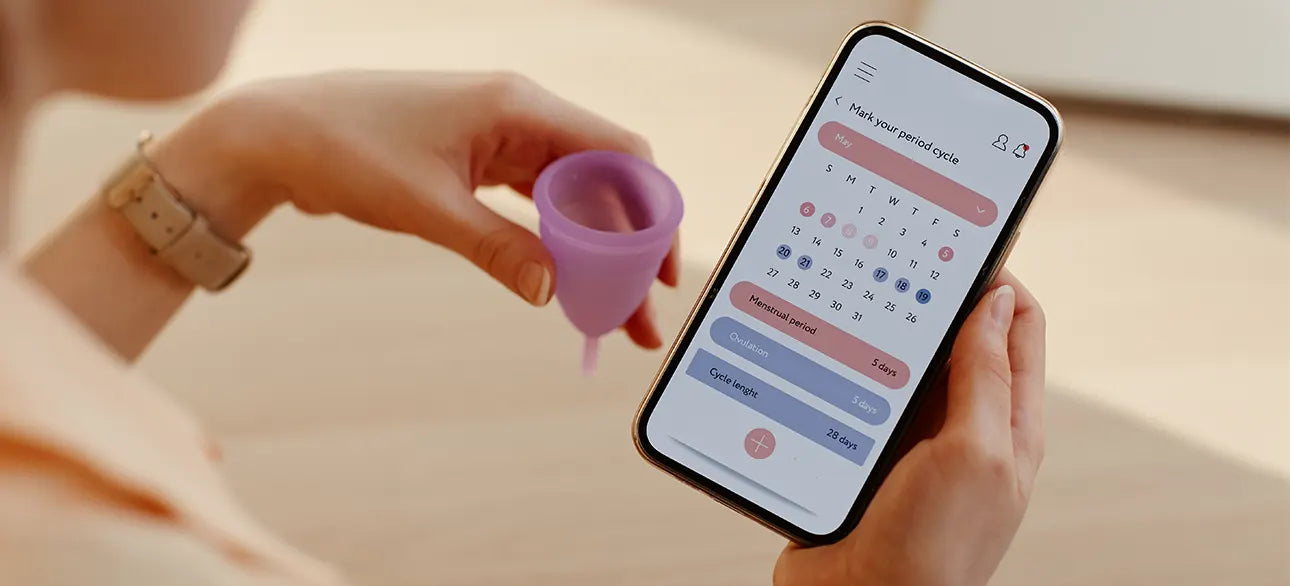
For many women, lower back pain is linked to their menstrual cycle. Hormonal changes through the month can also cause changes in the body that will lead to a variety of discomforts, including in the lower back. Some conditions that cause lower back pain for women include:
- Premenstrual Syndrome (PMS): PMS is a condition that affects many women before their period, and its symptoms can vary widely from person to person. The symptoms may include physical issues such as lower back pain, headaches, fatigue, and bloating, as well as emotional and behavioral changes like mood swings, food cravings, anxiety, and difficulty concentrating. These symptoms are primarily caused by hormonal fluctuations that occur throughout the menstrual cycle, with common discomforts including breast tenderness. PMS typically begins a few days before your period and subsides within a day or two after menstruation starts. In some cases, PMS can be severe enough to cause cramping in the lower back due to these hormonal shifts.
- Premenstrual Dysphoric Disorder (PMDD): PMDD is a severe type of PMS that creates intense back pain and exhaustion together with large mood swings including depressive or irritable behavior. The symptoms of PMDD affect people more seriously than those of PMS yet remain less prevalent. While the emotional, behavioral, and physical symptoms of PMDD are similar to PMS, they are typically more intense. Primary symptoms of PMDD start one week before the start of menstruation and lessen few days few days after the onset of the period, according to study. The various symptoms of PMDD create difficulties in maintaining work performance and cause problems in relationships and daily activities. Because of its impact, it's important for those experiencing PMDD to explore treatment options, including lifestyle changes, therapy, or medical support.
-
Dysmenorrhea: Dysmenorrhea is painful menstruation, often with cramping in the lower back, abdomen, hips, and legs. The pain usually starts just before or at the beginning of a period and lasts 1 to 3 days. It can range from a dull ache to sharp pain and may disrupt daily activities.
While many women have mild symptoms, some experience more severe pain. It's more common if you're under 20, smoke, have heavy periods, or have a family history of painful periods.
Underlying conditions can also intensify dysmenorrhea, including:
- Endometriosis: Tissue similar to the uterine lining grows outside the uterus.
- Fibroids: Noncancerous growths in the uterus that can cause heavy bleeding and pain.
- Pelvic Inflammatory Disease (PID): A reproductive tract infection that may worsen menstrual pain
2. Endometriosis
Endometriosis occurs when tissue similar to the lining inside of the uterus starts to grow outside of the uterus. It often does this around the pelvic lining, fallopian tubes, or ovaries. This condition can cause quite a bit of pain, including during menstruation. Many women with this experience chronic lower back pain.
Pain is the most common symptom of endometriosis, and it can manifest in several forms. Along with very painful menstrual cramps, many women also experience sharp pain during or after sex, persistent pelvic and lower back pain, and discomfort during bowel movements or urination during their periods. These symptoms can interfere with daily activities and overall quality of life.
According to Dr. Gregory P. Gasic Neuroscientist | Co-Founder | VMeDx
Problems with the back muscles, bad posture or sedentary habits are common causes of lower back pain in women; endometriosis and osteoporosis are more specific to them, as are hormonal shifts and pregnancy.
This condition is more common for women in their 20s and 40s, especially if they have a family history of the condition. Those who have not had children or who have heavier menstrual periods may be at higher risk too.
3. Pelvic Inflammatory Disease (PID)
PID is an infection inside the reproductive organs. It is often caused by STIs like gonorrhea and chlamydia. This condition can cause a lot of pain in the lower stomach and back. Having multiple sexual partners, a history of STIs or unprotected sex can lead to a higher risk of this condition.
4. Fibroids and Adenomyosis
Fibroids are non-cancerous growths on the uterus that may cause lower back pain. It is most common in women over 30. Adenomyosis is a condition that occurs when the tissue that normally lines the uterus starts to grow on the muscular wall of the uterus and it can also cause lower back pain. This is common for women in their 40s and 50s without children.
5. Ovarian Cysts
Ovarian cysts are fluid-filled sacs that start to develop on the ovaries. Most are harmless and will not cause symptoms. But if they get big, they can lead to pelvic and lower back pain. Women with irregular menstrual cycles are at higher risk. Fertility treatments can also increase the risk.
6. Pregnancy and Postpartum Changes
During pregnancy, the body goes through big changes to help support fetal development. This can lead to lower back pain. The growing uterus, changes in posture as the baby grows, and hormonal shifts will add to this discomfort. Postpartum changes can also lead to back pain as the body tries to get back to its pre-pregnancy state.
According to Dr. David Shapiro, Clinic Director at Complete Spine Solutions,
Pregnancy brings unique challenges through relaxin-induced ligamentous laxity and progressive postural changes. The growing uterus increases lumbar lordosis while compromising core stability through diastasis recti and pelvic floor dysfunction.
Those carrying multiples, those who have had previous pregnancies, or those who are overweight may experience more back pain during this time.
Advertisement


Other Low Back Pain Causes
In addition to the causes above, there are several non-reproductive conditions that will contribute to lower back pain in women, including:
-
Muscle strain: Improper lifting, overexertion, or poor posture can strain the muscles and ligaments in the lower back. Common triggers include:
- Repeated heavy lifting
- Awkward bending or twisting
- Sudden, jerky movements
- Overstretching muscles or ligaments
- Sciatica: Sciatica happens when the sciatic nerve is compressed or irritated. This can cause shooting pain from the lower back to the legs.
- Herniated discs: A herniated disc happens when the soft inner part of a spinal disc pushes through a tear in its outer layer, often pressing on nearby nerves and causing pain. Age-related wear, injuries, and sudden movements increase the risk. It’s most common in the lower back due to strain, but it can also affect the neck. According to the study, Knowing the risks helps with early detection and treatment
-
Disc Degeneration and Posture Impact on Spinal Health
As you get older, the discs in your spine naturally wear down, a process called disc degeneration. This is common after 40, especially in the lower back and neck. It can cause back pain, stiffness, or pain that travels to your butt or thighs. This pain might come and go.
Poor posture, like slouching or sitting for a long time, puts stress on your spine and can speed up this process. Weak core muscles also make it harder to sit or stand up straight, which can worsen back pain. Knowing that things like injuries, repeated movements, and bad posture can trigger pain helps you manage it and keep your spine healthy.
Learn the causes and relief options for lower back pain in women. Watch this video to understand why it happens and how to find relief! Why Women Experience Lower Back Pain | Causes & Relief Explained (WATCH NOW!)
Dr. Chad Walding, Co-Founder and Chief Culture Officer, NativePath Lower back pain in women can stem from various causes, often linked to hormonal changes, pregnancy, or poor posture.
How to Identify Chronic vs. Acute Pain

There are different types of pain that women can experience in their lower backs. The one they deal with will determine which treatment you will choose. Acute pain is the sudden pain that will often last less than six weeks. It is often related to muscle strain, overuse, or an injury.
Chronic pain, on the other hand, lasts for more than three months. It can be due to ongoing conditions, like degenerative disc disease or fibroids. If the back pain lasts for more than a few days or it is difficult to move, then talk to your doctor about it.
If your back pain lasts more than a few days or makes it hard to move, it’s time to talk to your doctor. Some symptoms may point to a more serious issue. Seek medical attention if you experience:
- Inability to Stand or Walk: If standing or walking becomes extremely difficult.
- Additional Symptoms: Fever, loss of bladder or bowel control alongside back pain.
- Leg Pain or Numbness: Tingling, numbness, or pain that radiates down your legs.
- Daily Disruption: When pain interferes with sleep, work, or basic activities.
- Pregnancy Concerns: If pain is paired with bleeding, fever, or painful urination, seek immediate care.
Recognizing these signs early can help you catch more serious conditions before they worsen and lead to better treatment outcomes.
Paul Roscioli, Chiropractic Physician, Owner, Main Line Disc Lower back pain in women can be caused by various factors, including pregnancy, hormonal changes, and lifestyle habits. Pregnancy puts strain on the lower back, and after childbirth, weakened muscles can lead to ongoing discomfort. Hormonal fluctuations during menstruation or menopause can also impact spinal stability. Additionally, poor posture, lack of exercise, and stress can contribute to chronic pain.
Treatment for lower back pain
Lower back pain can severely impact your quality of life. If it doesn’t improve with non-surgical treatments, your doctor may recommend surgery. Conditions like herniated discs, spondylolisthesis, and spinal stenosis may require surgical correction.
Non-Surgical Treatments
- Rest: Resting can reduce strain on your back for mild pain.
- Heat Therapy: Use a heating pad or warm bath to improve circulation, relax muscles, and promote healing.
- Cold Therapy: Apply an ice pack for 15-20 minutes to numb pain and reduce inflammation, especially after an injury.
- Pain Relief: Medications like NSAIDs, paracetamol, topical pain relievers, and muscle relaxants can help.
- Physical Therapy: Strengthening and flexibility exercises can improve posture and alignment.
- Steroid Injections: If other methods don’t work, your doctor might suggest injections to reduce inflammation and pain.
Surgical Treatments
- Artificial Disc Replacement: Replace a damaged disc with an artificial one.
- Spinal Fusion: Remove damaged discs and fuse vertebrae together, often for conditions like herniated discs or degenerative diseases.
- Discectomy: Remove a herniated disc pressing on a nerve, often combined with laminectomy.
- Spinal Laminectomy: Remove part of the vertebrae (lamina) to relieve pressure on the spinal cord.
Medical Treatments (Long-Term Relief)
- Medications: Over the counter pain relievers can help manage back pain. Using dietary supplements like magnesium, vitamin, or calcium can support the joints too.
- Physical therapy: A physical therapist can guide you through exercises that will strengthen the back and core, which can limit pain.
- Surgical options: In severe cases, your doctor may discuss surgery as a necessary treatment option for debilitating pain
- Supplement: Best joint supplements like glucosamine and chondroitin can support joint function and reduce inflammation, potentially easing lower back pain caused by conditions like sciatica and disc degeneration.
Advertisement


Final Thoughts
Lower back pain in women can have many causes, ranging from hormonal fluctuations during menstruation to more serious conditions like endometriosis and fibroids. Recognizing the symptoms and understanding the underlying causes are key to finding effective treatments.
For temporary relief, home remedies like heat therapy and stretching can help, while long-term management may require medical treatments such as physical therapy or medications. If your lower back pain persists or worsens, it is essential to consult a healthcare provider for proper diagnosis and treatment.
FAQs

Our Top Joint Pain Relief Choices
Here are our top picks for the most effective Joint Pain Relief products currently available in the market, as per our assessment.
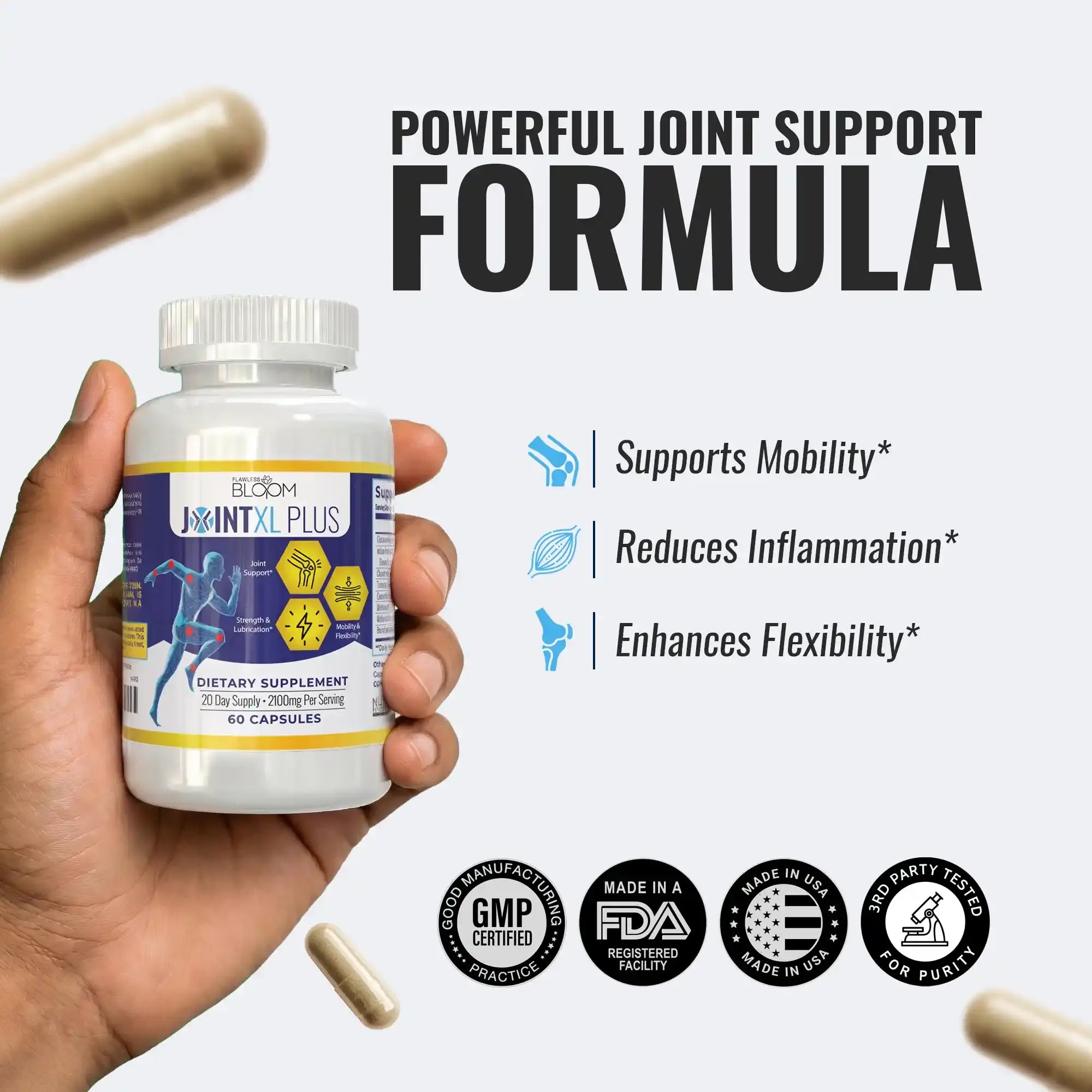
#1. Jointxl Plus
-
Pros
- Supports joint health and mobility*
- May reduce inflammation and pain*
- Improves flexibility and overall joint function*
- Made with natural ingredients backed by scientific studies*
-
Cons
- Results may vary based on individual conditions
- Requires regular use for noticeable improvement
- Limited availibility due to high demand

Rating Breakdown
- Ingredients

- Effectiveness
- Safety
- Cost
Overall Rating
4.9
#2. Joint Genesis
-
Pros
- Promotes joint comfort and flexibility*
- Helps reduce inflammation and joint stiffness*
- Aids in cartilage repair & supports joint health*
- Contains clinically-researched ingredients*
-
Cons
- Best results are seen with consistent use and a healthy lifestyle
- May take time to see noticeable improvements
- Some users may experience mild digestive discomfort at first

Rating Breakdown
- Ingredients
- Effectiveness
- Safety
- Cost
Overall Rating
4.8
#3. Xentaflex (Joint Support Drink Mix)
-
Pros
- Includes AquaLox™—a patented, water-soluble form of Boswellia serrata with superior absorption.
- Supports joint hydration and cellular function with the inclusion of Regen™ (Fulvic/Humic Acid) and trace minerals.
- Formula is highly clean: Free from Collagen, Glucosamine, Chondroitin, binders, sugar, and GMOs.
- Often reported to improve mobility, comfort, and flexibility within weeks of use.
-
Cons
- Does not contain Glucosamine or Chondroitin Sulfate, which are traditional joint support ingredients.
- Results rely on consistent daily use as a hydration-based supplement.
- Only available through the official Simple Promise website.
- Limited flavor options.

Rating Breakdown
- Ingredients
- Effectiveness
- Safety
- Cost
Overall Rating
4.8
Read More Articles


EXPLORE ALL PRODUCTS




JointXL Plus - Geavanceerd supplement voor bot- en gewrichtsondersteuning met glucosamine




References
Flawless Bloom has strict sourcing policies and relies on primary sources such as medical organizations, academic institutions, governmental agencies, and peer-reviewed scientific journals. Read more about how we ensure our content is accurate, thorough, and unbiased by reading our editorial process.
References
- Back pain statistics: https://www.healthdata.org/news-events/newsroom/news-releases/lancet-new-study-shows-low-back-pain-leading-cause-disability
- PMS and muscle train https://pubmed.ncbi.nlm.nih.gov/6361917/
- Dysmenorrhea https://www.ajog.org/article/S0002-9378(20)30248-9/abstract
- Endometriosis https://www.maturitas.org/article/S0378-5122(25)00019-2/abstract
- Fibroids and back pain https://www.fibroidfoundation.org/wp-content/uploads/2021/02/Fibroid-Summit_-Stewart-2021_0218.pdf


2 reacties
I had no idea that muscle strain from bad posture or overexertion could contribute to back pain. The tips on posture improvement and stretching are things I’m going to start practicing. Great article!
This article is incredibly informative and helpful in understanding the various causes of lower back pain in women. It covers a wide range of factors, from hormonal changes and menstrual issues to conditions like endometriosis and sciatica. The treatment options provided, including home remedies and professional care suggestions, are practical and easy to follow.