


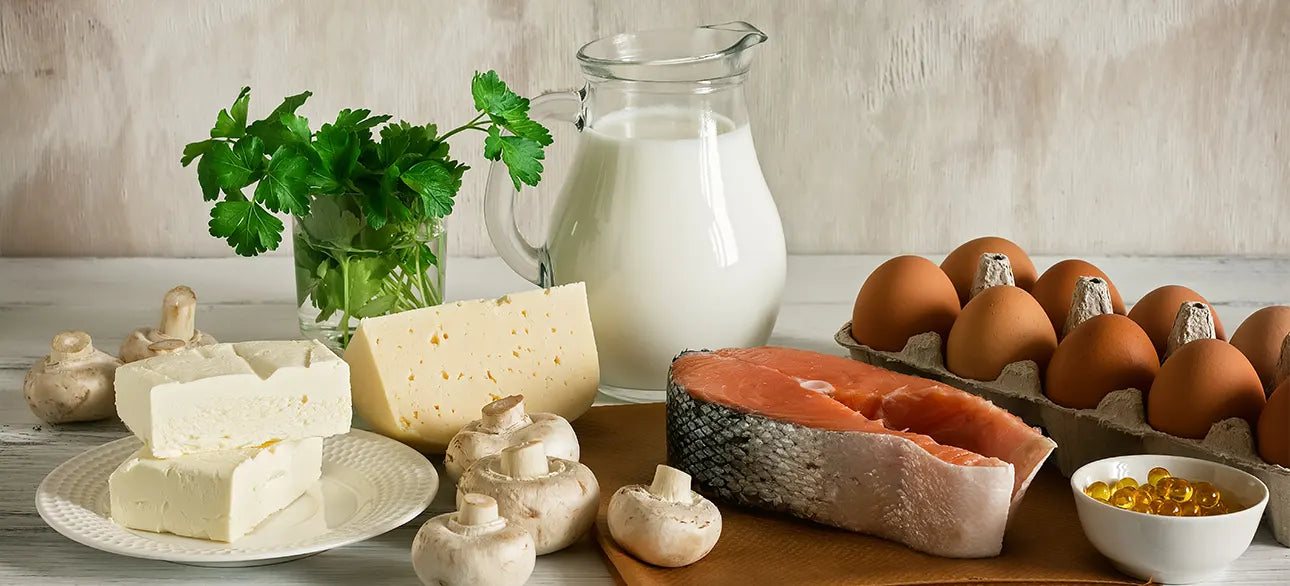

What Are the Best Diet Plans for Your Overall Health?
Unsure which diet is best for you? This guide reviews popular diet plans like WW, the MIND diet, and the Zone diet, helping you choose one that suits your needs.

 Fact Checked
Advertiser Disclosure: We independently select all the products. If you click through links we provide, we may earn a commission.
Studies show that when combined with regular physical activity, it can enhance long-term weight management.
While more research is needed, the focus on balanced eating and behavior change aligns with general recommendations for chronic disease prevention.
Food Sources of the Mayo Clinic Diet
- Fruits and vegetables (unlimited)
- Whole grains (brown rice, oats, whole-wheat bread)
- Lean proteins (chicken, fish, legumes)
- Healthy fats (avocados, olive oil, nuts)
- Low-fat dairy (milk, yogurt, cheese)
- Natural sugars only (from fruits)
- Limited sweets and processed foods
Pros and Cons
Pros:
- Encourages physical activity
- Promotes overall health
Cons
- Plans may be expensive
The Volumetrics Diet
The Volumetrics diet is all about limiting your intake of calorie-dense foods like crackers, chips, ice cream, candy, butter, nuts, and oil. Foods are divided into 4 categories based on their shared calorie-denseness.
Health Benefits of the Volumetrics Diet
The Volumetrics diet promotes nutrient-dense foods that are low in calories but rich in fiber, vitamins, and minerals, which helps prevent nutrient deficiencies.
By focusing on foods with low-calorie density, it encourages a balanced intake of essential nutrients while promoting weight loss. An analysis of 13 studies involving over 3,000 participants revealed that diets focused on low-calorie-density foods significantly enhance weight loss.
Research has shown that diets with low-calorie density improve diet quality, reduce the risk of chronic diseases like heart disease and certain cancers, and may aid in maintaining a healthy weight.
An 8-year study published in the American Journal of Clinical Nutrition involving over 50,000 women revealed that consuming high-calorie-dense foods significantly contributed to weight gain. If you're wondering, "How Many Calories Should You Eat Per Day to Lose Weight?" Focusing on low-calorie-density foods can help you manage your daily intake more effectively.
Food Sources of the Volumetrics Diet
- Non-starchy vegetables (e.g., leafy greens, tomatoes, cucumbers)
- Fruits (e.g., berries, apples, oranges)
- Broth-based soups
- Whole grains (e.g., brown rice, quinoa, oats)
- Lean proteins (e.g., chicken, fish, tofu)
- Legumes (e.g., beans, lentils, peas)
- Low-fat dairy (e.g., yogurt, milk)
- Water-rich foods (e.g., watermelon, celery)
Pros and Cons
Pros:
- Protects against cardiovascular issues
- Helps with weight loss
Cons
- It requires in-depth knowledge of the calorie values of many foods
 Guide to daily meals in various diet plans
Conclusion
Dieting shouldn’t just be about weight loss. Consider dieting an investment in your longevity, health, and wellness. The aforementioned diets all have important health benefits outside of weight loss and can lower your risk of major health issues.
A balanced approach is key, says Dr. Maya Vadiveloo, a U.S. dietitian. She recommends a diet of whole, minimally processed foods that you can sustain for long-term health, rather than focusing on restrictive diets.
Also, be sure to ask your healthcare practitioner about which one may be best for you based on your individual health status.
Read More:
- How Many Calories Do I Burn in a Day?
- High-Fat Foods That Offer Great Health Benefits
- Ways Your Body Benefits from Lemon Water
FAQs

Our Top Weight Loss Choices
Here are our top picks for the most effective weight loss products currently available in the market, as per our assessment.
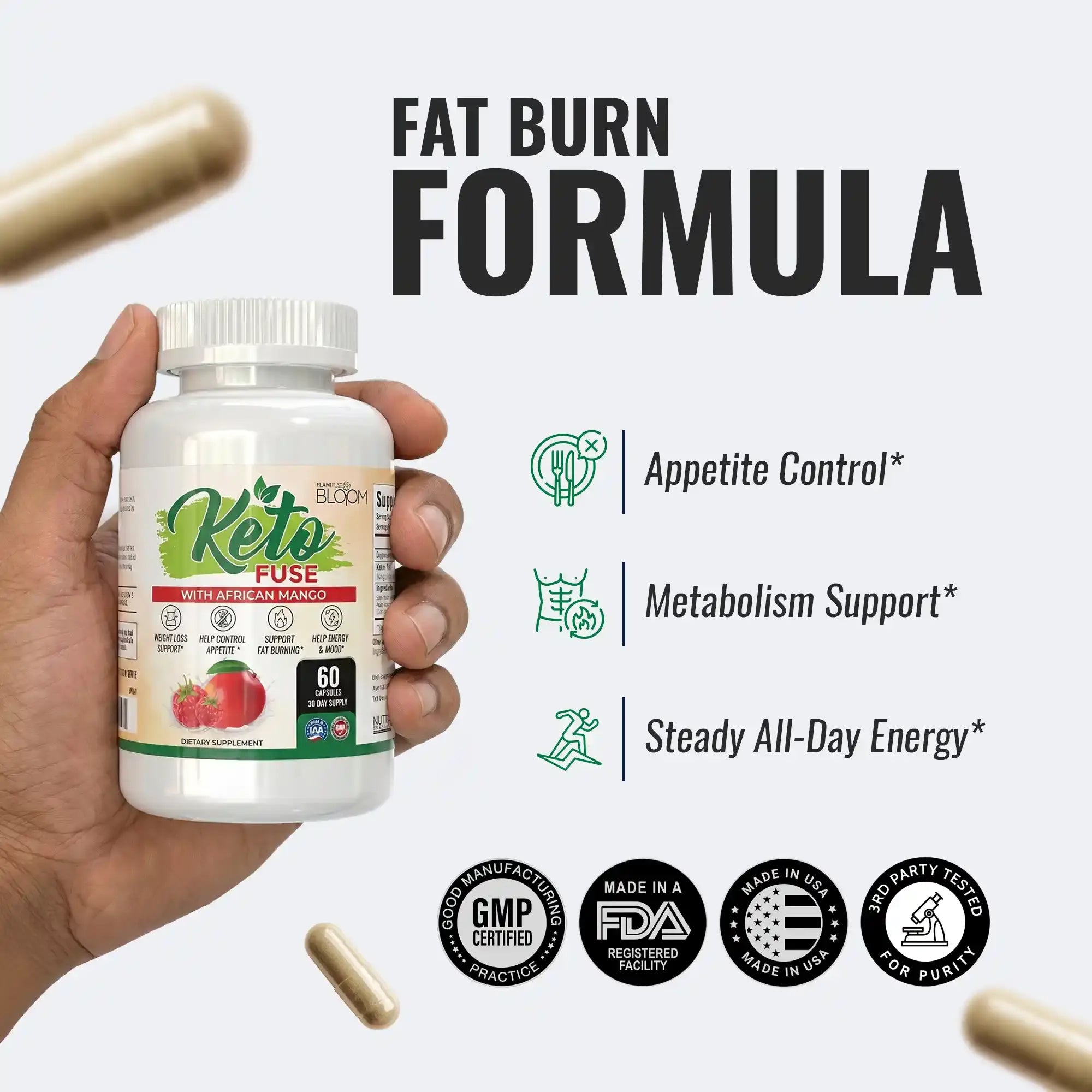
#1. KetoFuse
-
Pros
- Supports fat-burning through ketosis*
- May enhance mental clarity and focus*
- Aids appetite control and energy levels*
- Backed by a blend of clinically-studied ingredients*
-
Cons
- Results may vary based on diet adherence
- Available exclusively online, which may not suit everyone.
- Requires consistent use for noticeable effects

Rating Breakdown
- Ingredients

- Effectiveness
- Safety
- Cost
Overall Rating
4.9
#2. Gundry MD MCT Wellness
-
Pros
- Quick energy source from medium-chain triglycerides*
- May support metabolism and weight management*
- Promotes better gut and cognitive health*
- Easy to mix into drinks or smoothies*
-
Cons
- Needs regular use for sustained benefits
- Flavor or texture might not suit everyone
- Not a standalone solution for weight loss

Rating Breakdown
- Ingredients
- Effectiveness
- Safety
- Cost
Overall Rating
4.8
#3. PhenQ
-
Pros
- Combines multiple weight loss mechanisms in one*
- May reduce cravings and boost energy*
- Supports fat oxidation and thermogenesis*
- Can complement a low-carb lifestyle*
-
Cons
- Not suitable for caffeine-sensitive individuals
- Best results seen with diet and exercise
- Long-term use should be monitored professionally

Rating Breakdown
- Ingredients
- Effectiveness
- Safety
- Cost
Overall Rating
4.8
Read More Articles


EXPLORE ALL PRODUCTS




JointXL Plus - Integratore avanzato per il supporto di ossa e articolazioni con glucosamina




References
Flawless Bloom has strict sourcing policies and relies on primary sources such as medical organizations, academic institutions, governmental agencies, and peer-reviewed scientific journals. Read more about how we ensure our content is accurate, thorough, and unbiased by reading our editorial process.
- Meta-analysis comparing Mediterranean to low-fat diets for modification of cardiovascular risk factors - PubMed https://pubmed.ncbi.nlm.nih.gov/21854893/
- Mediterranean Diet: Food List & Meal Plan https://my.clevelandclinic.org/health/articles/16037-mediterranean-diet
- Dietary approach to stop hypertension (DASH): diet components may be related to lower prevalence of different kinds of cancer: A review on the related documents - PubMed https://pubmed.ncbi.nlm.nih.gov/26622263/
- A Calorie-Restricted DASH Diet Reduces Body Fat and Maintains Muscle Strength in Obese Older Adults - PubMed https://pubmed.ncbi.nlm.nih.gov/31905920/
- Type of Vegetarian Diet, Body Weight, and Prevalence of Type 2 Diabetes - PMC https://pmc.ncbi.nlm.nih.gov/articles/PMC2671114/
- Intermittent fasting and weight loss: Systematic review - PubMed https://pubmed.ncbi.nlm.nih.gov/32060194/
- Flipping the Metabolic Switch: Understanding and Applying Health Benefits of Fasting - PMC https://pmc.ncbi.nlm.nih.gov/articles/PMC5783752/
- Efficacy of commercial weight-loss programs: an updated systematic review - PubMed https://pubmed.ncbi.nlm.nih.gov/25844997/
- Long-term effects of 4 popular diets on weight loss and cardiovascular risk factors: a systematic review of randomized controlled trials - PubMed https://pubmed.ncbi.nlm.nih.gov/25387778/
- The effects of low-carbohydrate diets on cardiovascular risk factors: A meta-analysis - PMC https://pmc.ncbi.nlm.nih.gov/articles/PMC6959586/
- Effect of low-fat diet interventions versus other diet interventions on long-term weight change in adults: a systematic review and meta-analysis - PubMed https://pubmed.ncbi.nlm.nih.gov/26527511/
- Trial of the MIND Diet for Prevention of Cognitive Decline in Older Persons | New England Journal of Medicine https://www.nejm.org/doi/full/10.1056/NEJMoa2302368
- MIND Diet, Common Brain Pathologies, and Cognition in Community-Dwelling Older Adults - PubMed https://pubmed.ncbi.nlm.nih.gov/34334393/
- MIND diet slows cognitive decline with aging - PubMed https://pubmed.ncbi.nlm.nih.gov/26086182/
- The Mayo Clinic Diet: A weight-loss program for life https://www.mayoclinic.org/healthy-lifestyle/weight-loss/in-depth/mayo-clinic-diet/art-20045460
- Diet, exercise or diet with exercise: comparing the effectiveness of treatment options for weight-loss and changes in fitness for adults (18–65 years old) who are overfat, or obese; systematic review and meta-analysis - PMC https://pmc.ncbi.nlm.nih.gov/articles/PMC4429709/
- Link between Food Energy Density and Body Weight Changes in Obese Adults - PMC https://pmc.ncbi.nlm.nih.gov/articles/PMC4848697/
- Prospective study of dietary energy density and weight gain in women - PubMed https://pubmed.ncbi.nlm.nih.gov/18779295/
- Volumetrics ranked No. 1 weight loss diet | Penn State University https://www.psu.edu/news/health-and-human-development/story/volumetrics-ranked-no-1-weight-loss-diet
