


Best Supplements for Healthy Skin: Your Simple Guide
Find the right supplements for your skin goals. We cover the top options for hydration, elasticity, acne reduction, and overall skin health, including collagen, vitamins, and minerals.

 Fact Checked
Advertiser Disclosure: We independently select all the products. If you click through links we provide, we may earn a commission.

Key Takeaways
- Collagen: Boosts elasticity, hydration, and reduces wrinkles, with Types I and III being most effective.
- Multivitamins: Provide essential Vitamins C, E, and D for skin repair and protection.
- Omega-3s: Lock in moisture and reduce redness for smoother skin.
- Zinc: Controls acne and helps with skin healing by reducing inflammation.
- Probiotics: Balance skin bacteria, improving acne and eczema.
- Gamma-Linoleic Acid (GLA): Hydrates dry skin and improves texture.
- Resveratrol: Fights oxidative stress and protects skin from UV damage.
- Turmeric (Curcumin): Reduces redness and inflammation, aiding conditions like psoriasis and eczema.
Healthy, glowing skin doesn't happen from skincare products alone. While cleansers, serums, and moisturizers play an important role, your skin also depends on the nutrients your body receives every day. If you aren't getting enough key vitamins, minerals, and antioxidants, your skin may appear dull, dry, or less resilient over time.
To identify which supplements truly make a difference, eight testers evaluated multiple healthy skin supplements over several weeks as part of their regular wellness routines. They compared supplements containing different combinations of skin-supporting ingredients such as collagen, biotin, hyaluronic acid, vitamins C and E, zinc, and antioxidants. Each supplement was assessed for ingredient quality, visible skin improvements, ease of use, value for money, and overall experience.
While several supplements delivered noticeable benefits, one supplement consistently stood out because it combined nearly all of the essential nutrients needed to support healthy, hydrated, and youthful-looking skin in a single formula. In this review, we'll share the testers' overall experience, explain how these supplements work, and reveal our top recommendation for supporting healthier skin from within.
Are Oral Supplements Safe and Effective for Skin Health?
Overall, the majority of orally administered supplements meant to maintain skin health are safe, provided that they are used according to the instructions and are of quality produced by a well-respected company. Certain vitamins, minerals, and omega fatty acids have been supported by scientific research to be helpful in the skin and they are often published by organizations like the National Institutes of Health (NIH) and the American Academy of Dermatology. Supplements such as vitamin C, E, zinc, and collagen peptides can be used as examples and are promising to enhance the state of hydration, wrinkle reduction, and overall skin resilience.
With that said, the effectiveness of individual people may differ. Other individuals will observe apparent improvements, and some will show insignificant changes particularly when they already have the nutrients in question in their diet. With all things, it is not always the case that the more, the better; sometimes, taking the dosage in excess amounts brings about some unpleasant side effects (such as a breakout or stomach discomfort).
Finally, the benefits of oral supplements may provide much-needed skin-enhancing in specific cases, be it to fill a deficiency or otherwise to not achieve what you need by diet alone. Nevertheless, it is always best to purchase products tested by the third party and consult a dermatologist or a healthcare provider in case you are not sure which supplements the specific goals of your skin.
Best Supplements For Healthy Skin
To get the most out of supplements for your skin, it's important to understand what each one does. Some skin supplements help promote elasticity, others fight inflammation, and some help keep your skin hydrated.
Nourishing skin from within with targeted supplements, alongside a healthy lifestyle, is key for true skin health.- Dr. Whitney Bowe
Here’s a breakdown of the best supplements for healthy skin and the skin health benefits they provide:
Biotin
Bbiotin – a B vitamin, which you will see plastered across all beauty hair, skin and nail supplement packages at your neighborhood pharmacy. You may hear lusty words of its magic effects in crossover skin and shiny hair, but here are what the science tells you.
Things to Know:
- Biotin is also involved in maintaining a healthy skin, hair and nails and deficiencies are very unlikely.
- The rest of the population has adequate biotin in the form of popular foodstuffs such as eggs, nuts, and oats among others, and even your intestines can synthesize biotin.
- There is little likelihood that additional biotin will have any observable effect on your hair, skin or nails unless you are specifically diagnosed with superficial deficiency of biotin (uncommon).
- Caution: Bacterial tolerance- Considerable care is needed to watch the effect of high-level doses of a biotin supplement on some test results (in particular thyroid or heart test) and this may be dangerous when your physician is unaware of it.
According to James Ida, Dermatologist
Biotin is essential for maintaining healthy skin, but most people already get enough through a balanced diet. Unless you have a true deficiency, taking extra biotin is unlikely to noticeably improve your skin. Because high-dose biotin can affect certain lab test results, it's always best to discuss supplementation with your healthcare provider.
Conclusion: Supplements of biotin are unlikely to be necessary in case of an ordinary healthy person. Only spend your money when your healthcare professional advises to do so!
Collagen
One of the most talked-about supplements for skin health is collagen. There are various health benefits of collagen but primarily, collagen helps reduce the appearance of fine lines and wrinkles while promoting smoothness and hydration.
What makes collagen so effective is its ability to support skin elasticity. Different types of collagen, such as Bovine Collagen Peptides, Hydrolyzed Chicken Collagen Peptides, Pure Hydrolyzed Marine Collagen Peptides, Eggshell Membrane, Collagen Peptides, and Avian Sternum Collagen Peptides, provide the building blocks your skin needs to stay strong and resilient.
These can help fight signs of aging and keep your skin looking firm, elastic, and youthful.
Things to Know:
- Collagen comes in powders, capsules, or liquids, with a typical dosage ranging from 2.5 to 15 grams daily.
- It’s generally safe, but some may experience mild digestive discomfort.
- Regular use can improve skin moisture and help reduce wrinkles.
According to MaryBeth Parisi, Dermatologist
Collagen is one of the most well-studied supplements for skin health. Research suggests that regular collagen peptide supplementation can help improve skin hydration, support elasticity, and reduce the appearance of fine lines over time. Consistent daily use, combined with a balanced diet, offers the greatest potential for visible skin benefits.
Advertisement


Multivitamins
Taking a multivitamin that includes Vitamin C, Vitamin E, and Vitamin D is a great way to nourish your skin on a deeper level.
- Vitamin C helps in the production of collagen, it supports skin repair and prevents skin damage from free radicals.
- Vitamin E is an antioxidant that shields the skin from oxidative damage and can improve skin texture.
- Vitamin D supports skin cell growth and can reduce inflammation, helping conditions like eczema or psoriasis.
According to Jeffrey Ellis, Dermatologist
A well-formulated multivitamin can help fill nutritional gaps that may affect skin health. Vitamins C, D, and E each play important roles in collagen production, antioxidant protection, and maintaining the skin barrier. While they aren't a substitute for a healthy diet, they can provide valuable support for overall skin wellness.
Things to Know:
- Multivitamins are easy to add to your daily routine, and they provide balanced support for skin health.
- They strengthen the skin’s barrier, keeping it hydrated and protected from environmental stressors.
Omega-3s
Omega-3 fatty acids, found in fish oil, help lock in moisture, reduce inflammation, and strengthen the skin's natural barrier. When combined with anti-dryness skincare products and anti-redness skincare products, they help soothe irritation, improve hydration, reduce visible redness, and keep the skin plump, smooth, and healthy-looking.
Things to Know:
- Omega-3s support the skin's barrier, preventing dryness and redness.
- They are available in fish oil or plant-based forms like algae.
- Recommended dosage is around 250–500 mg per day.
According to Uchenna R. Okereke Dermatologist
Omega-3 fatty acids help support the skin's natural barrier, which is essential for retaining moisture and protecting against environmental stressors. They also have anti-inflammatory properties that may help reduce dryness and improve overall skin comfort. Getting enough omega-3s through diet or supplementation can be a valuable part of a skin-healthy routine.
Zinc
If you're dealing with acne, zinc could be just what you need. Zinc has anti-inflammatory properties that help to heal acne and reduce the appearance of scars.
According to Stephanie Cotell, Dermatologist
Zinc is an essential mineral that supports healthy skin by helping regulate inflammation, promoting wound healing, and maintaining normal oil production. It may be especially beneficial for people with acne-prone skin, but taking more than the recommended amount isn't better and may cause unwanted side effects. Supplementation should stay within appropriate daily limits unless directed by a healthcare professional.
Things to Know:
- Zinc controls oil production and reduces clogged pores.
- A typical dosage for skin health is around 30–50 mg daily.
- Overuse can lead to stomach upset.
Probiotics
Probiotics help balance your skin’s microbiome, reduce inflammation, and promote clearer skin.
Things to Know:
- Probiotics help with eczema, rosacea, and acne by balancing the skin’s bacteria.
- They are available in capsules, liquids, or fermented foods like yogurt.
- A daily dosage of 1–10 billion CFUs (colony-forming units) is common for skin health.
According to Ava Shamban, Cosmetic Dermatologist
Probiotics support the gut-skin connection by helping maintain a healthy balance of beneficial bacteria. Emerging research suggests they may help reduce inflammation and support clearer, healthier-looking skin, particularly in people with concerns such as acne, eczema, or rosacea. The greatest benefits are typically seen when probiotics are paired with a balanced diet and consistent skincare routine.
Vitamin C
Vitamin C is essential for collagen production and helps shield the skin from UV damage. Lack of adequate amounts of it may result in poor wound healing, decreased collagen production and additional signs of stress in the skin.
Studies indicate that Vitamin C supplements possibly aid in collagen production, thereby aiding in hydration, firmness and wrinkle severity particularly when combined with other nutrients such as zinc or collagen. Although further research in humans is necessary, vitamin C is believed to be safe and even has positive effects on the immune system, cognitive function, and heart health.
According to H.L. Greenberg, M.D Dermatologist
Vitamin C is one of the most important nutrients for healthy skin because it plays a central role in collagen production and helps protect skin cells from oxidative stress. While a balanced diet is the best source, supplementation can be beneficial for people with low vitamin C intake or increased nutritional needs, especially when combined with other skin-supporting nutrients.
Things to Know:
- Supports collagen production for smoother, firmer skin.
- May reduce wrinkles and dryness when combined with other nutrients.
- Common dosage ranges from 500–1,000 mg daily.
- Especially useful for those with low dietary intake (e.g., older adults).
Gamma-Linoleic Acid (GLA)
GLA, found in evening primrose and borage oil, helps increase skin hydration, reduce dryness, and improve texture.
According to Jessica Cervantes, Dermatologist
Gamma-linolenic acid (GLA) is an omega-6 fatty acid that helps support the skin's natural barrier and maintain moisture. Research suggests it may improve hydration and reduce dryness, particularly in people with dry or sensitive skin. When taken consistently, GLA can be a useful addition to an overall skin health routine.
Things to Know:
- GLA improves moisture levels and is ideal for dry, flaky skin.
- A typical dosage is 240–320 mg per day.
According to Jessica Cervantes, Dermatologist
Resveratrol
Resveratrol helps protect the skin from environmental stressors, like UV damage, and fights signs of aging.
According to Candace Broussard-Steinberg, Dermatologist
Resveratrol is a powerful antioxidant that helps protect the skin from oxidative stress caused by UV exposure and environmental pollutants. While more long-term human studies are needed, current evidence suggests it may support healthier, more resilient skin and help reduce visible signs of premature aging when used as part of a comprehensive skincare and wellness routine.
Things to Know:
- It helps fight oxidative stress and protect the skin from damage caused by free radicals.
- Found in grape skins, berries, and red wine.
- Dosage: 100–500 mg daily.
Turmeric (Curcumin)
Curcumin, the active ingredient in turmeric, offers anti-inflammatory and antioxidant benefits for your skin. It helps reduce redness and calm irritated skin.
According to Robert Finney, Cosmetic, Dermatologist
Curcumin, the active compound in turmeric, has well-documented anti-inflammatory and antioxidant properties that may help calm irritated skin and support the skin's natural healing process. While it isn't a standalone treatment for skin conditions, it can be a beneficial supplement for overall skin health, particularly when formulated for enhanced absorption.
Things to Know
- It helps with psoriasis, eczema, and overall skin healing.
- It’s best absorbed with black pepper, which boosts its effectiveness.
- A typical daily dosage ranges from 500–2,000 mg.
Are Supplements Necessary for Healthy Skin?
You might be thinking, "Do I really need supplements for my skin?" After all, isn't skincare all about what you put on your face? Well, the truth is that while topical treatments are important, healthy skin starts from within.
If you’re dealing with skin issues like dryness, acne, or those fine lines you’d rather not see, the right supplements can be transformative.
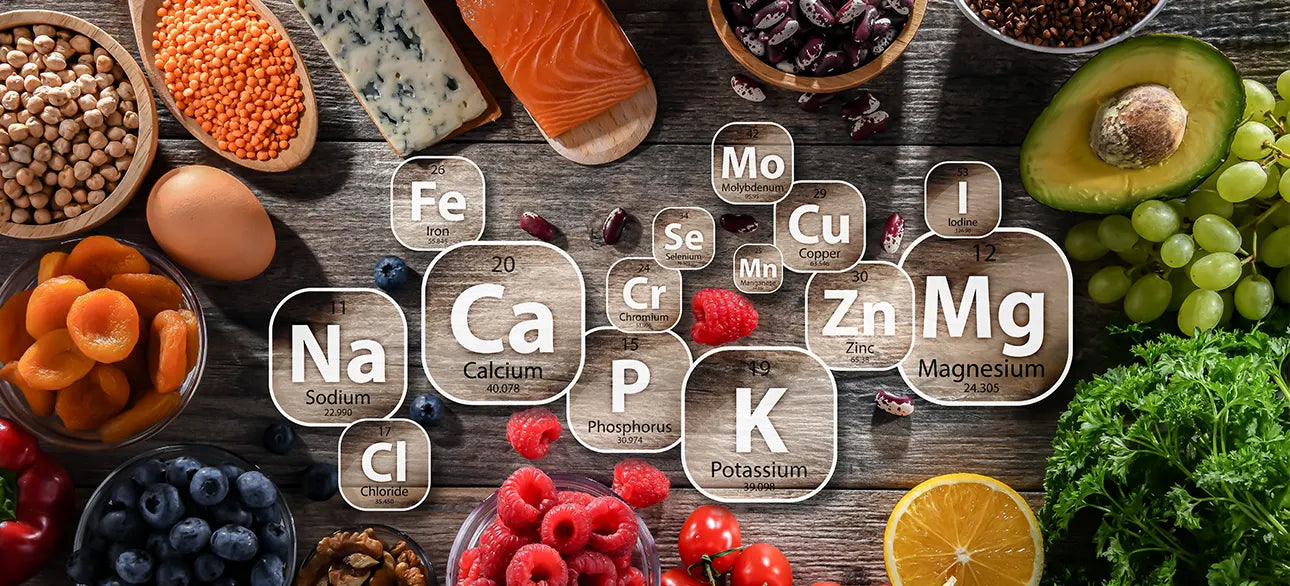
Sure, a well-balanced diet and lifestyle are the foundation of great skin, but evaluating your diet to identify any nutrient gaps is key. Focus on nourishing foods like fruits, veggies, omega-3s (such as salmon and walnuts), and healthy fats (like avocados and olive oil).
So, do vitamins for skin repair work? Yes, but they work best when paired with a solid skincare routine and healthy habits. Nutrients for the skin Hydrating with plenty of water or herbal teas will also keep your skin moisturized and glowing.
Prioritizing sleep, avoiding sugary foods, and protecting your skin from smoking and excessive alcohol can further improve skin health.
 Benefits Of Supplements For Healthy Skin
Collagen Myths vs. Realities
Collagen supplements are the buzz... and there is a lot of confusion. In case you heard that by simply taking a collagen pill you will have the same sequence of events as a glowing skin, shiny hair, and nails that no one can break, then it is time to draw a line between the reality and the fantasy.
Common Myths:
- The collagen supplements insert collagen directly to your skin.
- All the types of collagen act in the same manner.
- You’ll see results overnight.
Not quite. When you consume collagen, it is broken in your body to amino acids- so it does not instantly go to your skin, hair or nails.
In fact, they are of some varieties (Types I, II, and III) and all of them have a different role in your body. Types I and III give the greatest good to the skin.
In reality, the beneficial effects of consistent use will not manifest themselves until a person has gone through 4-8 weeks or more of using it, because then, the skin will become more elastic or the hair will gain strength.
What Science Says: Recent research holds the opinion that constant collagen supplementation actually can benefit skin hydration and skin elasticity or even the severity of wrinkles. The growing evidence of stronger nails and healthier hair is also coming up though their effects may be affected by individuals.
Bottom Line: Collagen does not have a miracle power but may be an excellent addition to your routine when kept with healthy eating and intelligent skincare. To you think of it as a kind of football-player--helpful, but not the star, on whose shoulders you build your skin story.
Can Supplements Cause Skin Issues?
While supplements can benefit skin health, some may cause side effects. For example, too much zinc can cause an upset stomach or acne flare-ups. Omega-3 fatty acids, although great for hydration, might cause an oily complexion for some.
In the following video Dr Dray Talks about the supplements that may cause skin issues.
The key is moderation. Stick to the recommended dosages and choose supplements specifically formulated for skin health. If you experience any discomfort or a reaction, stop using the supplement and consult a healthcare provider.
It’s important to select clean supplements with minimal ingredients and choose reputable brands that conduct third-party testing to ensure quality and effectiveness.
2-Month Testing Process
To identify the best supplements for healthy skin, eight testers used multiple skin health supplements consistently over 2 months while maintaining their regular diets and following a consistent hydrating skincare routine, including cleansing, moisturizing, daily sun protection, and targeted products for uneven skin texture. The group included adults with a variety of skin concerns, including dryness, dehydration, dullness, uneven texture, fine lines, and occasional breakouts, allowing us to evaluate how each supplement performed across different skin types and skincare needs.
The supplements contained different combinations of well-known skin-supporting ingredients, including collagen, biotin, vitamin C, multivitamins, omega-3 fatty acids, zinc, probiotics, gamma-linolenic acid (GLA), resveratrol, and curcumin. Throughout the testing period, the participants evaluated each supplement based on skin hydration, smoothness, elasticity, overall radiance, ingredient quality, ease of use, value for money, and any unwanted effects. They also looked at whether taking one comprehensive formula offered greater convenience than using several single-ingredient supplements.
After two months, the testers found that each ingredient offered its own unique benefits, but no single nutrient addressed every aspect of skin health. Collagen helped improve skin firmness and hydration, vitamin C supported collagen production and brightness, omega-3s and GLA helped relieve dryness, zinc was most helpful for blemish-prone skin, while probiotics, resveratrol, and curcumin provided additional support for overall skin health and comfort.
The supplement that received the highest overall rating was the one that combined most of these essential skin-supporting ingredients in a single formula. Rather than relying on one nutrient alone, it offered more complete nutritional support for healthy skin from within.
By the end of the evaluation, this all-in-one formula earned the best scores for hydration, skin texture, radiance, convenience, ingredient quality, and overall value. It was the clear favorite among the testers and became our Best Overall Supplement for Healthy Skin.
Our Recommendation For Healthy Skin
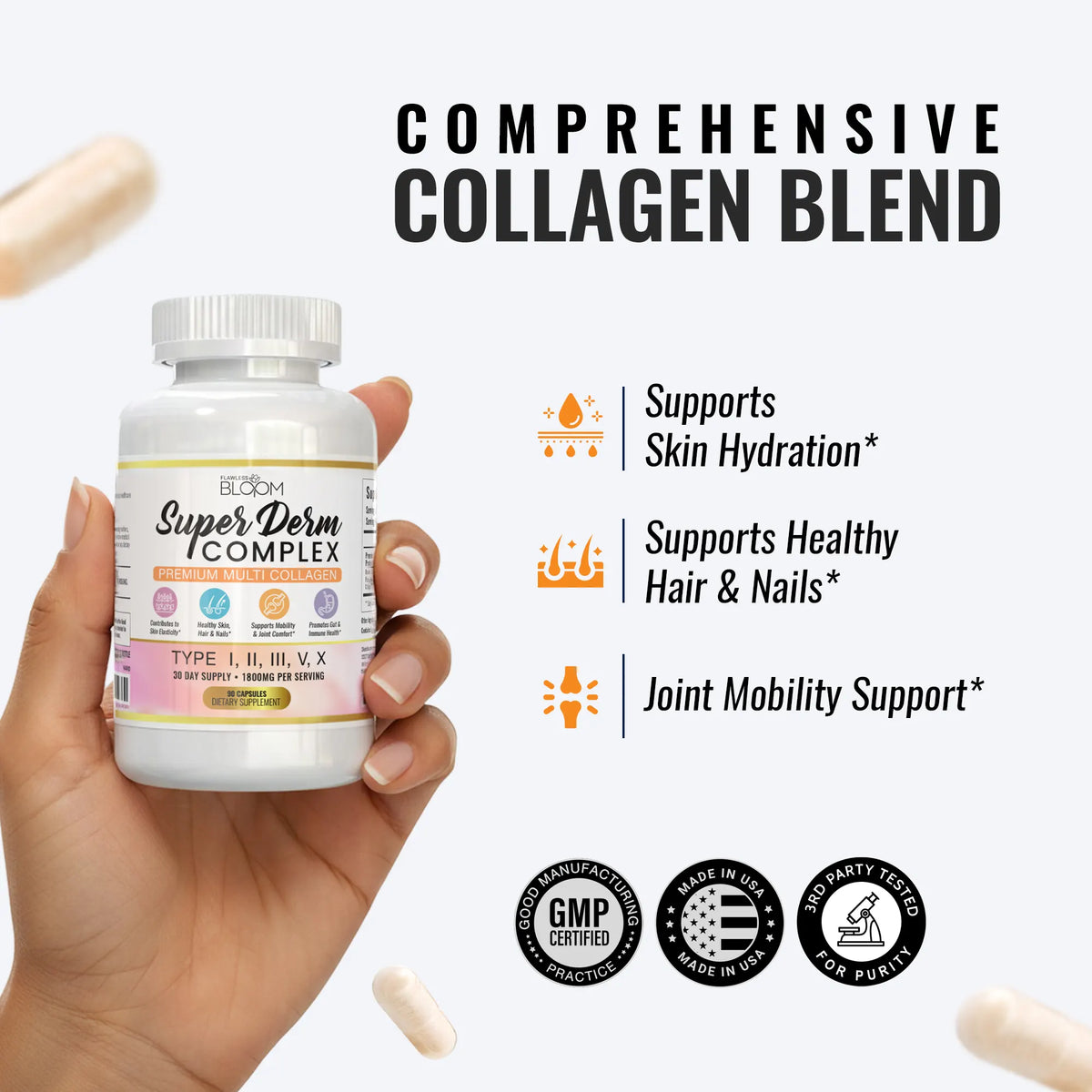
There are many supplements out there that promise better skin, but few actually deliver what your skin truly needs. If you're looking for something complete, convenient, and made with care, Super Derm Complex stands out..
So, why should you trust Super Derm Complex for healthy skin?
- It combines five types of collagen: bovine, marine, chicken, eggshell membrane, and avian sternum peptides—providing a full range of collagen types to support elasticity, hydration, and firmness.
- Super Derm Complex promotes skin repair, reduces fine lines, and supports joint flexibility and connective tissue. This makes it a great choice for skin, hair, nails, and mobility.
- It is manufactured in the USA, in a GMP-certified facility, rigorously third-party tested for purity, and contains no artificial additives.
If you're looking for the best skin supplements that deliver visible change, Super Derm Complex is a strong option. Whether you’re dealing with dry skin, aging concerns, or just looking to maintain a healthy complexion, it’s a great choice for healthier skin.
Advertisement


Conclusion
Achieving healthy, glowing skin involves more than just a good skincare routine. The right supplements for skin healing can address internal needs and nourish your skin. From collagen for skin structure to omega-3s for hydration, the right supplements can make a noticeable difference.
Remember, supplements for better skin should complement a balanced diet, hydration, and proper skincare. They are an important part of maintaining healthy skin, but they work best when combined with other healthy habits.
Taking skin healthy vitamins like Vitamin C, Zinc, and Probiotics, along with considering a high-quality product like Super Derm Complex, can provide the nutrients your skin needs to look and feel its best. But always consult with a professional to find what works for you.
Healthy, glowing skin is within reach—take the first step today!
FAQs

Our Top Collagen Supplements Choices
Here are our top picks for the most effective Collagen Supplements products currently available in the market, as per our assessment.
#1. Super Derm Complex
-
Pros
- Enhances joint mobility and strengthens muscles*
- May help reduce fine lines and wrinkles*
- Promotes strong hair and resilient nails*
- Includes antioxidants to combat free radical damage*
-
Cons
- Individual results may vary based on skin type and age
- May take few weeks of consistent use to notice visible effects
- Not a replacement for sun protection or a balanced diet

Rating Breakdown
- Ingredients

- Effectiveness
- Safety
- Cost
Overall Rating
4.9
#2. Triple Collagen
-
Pros
- Provides three collagen types for comprehensive support*
- Promotes healthy joints, skin, and hair*
- May help improve skin firmness and moisture retention*
- Often combined with hyaluronic acid and vitamin C for enhanced results*
-
Cons
- Collagen absorption may vary between individuals
- Best results seen when paired with healthy lifestyle habits
- May not be suitable for strict vegetarians or vegans
- Taste or texture might not appeal to all users (if in powder form)

Rating Breakdown
- Ingredients
- Effectiveness
- Safety
- Cost
Overall Rating
4.8
#3. BioCollagen Complex
-
Pros
- Combines collagen with key cofactors like biotin and silica*
- Supports skin resilience and joint flexibility*
- May aid in reducing signs of aging with regular use*
- Formulated for enhanced bioavailability*
-
Cons
- Effects are gradual and may require long-term use.
- May interact with certain medications—consult a doctor.
- Results may differ depending on age and collagen breakdown rate.

Rating Breakdown
- Ingredients
- Effectiveness
- Safety
- Cost
Overall Rating
4.8
Read More Articles


EXPLORE ALL PRODUCTS









1 comment
I love how this article covers both skin health and joint health. Super Derm Complex sounds like a great option to support both!