


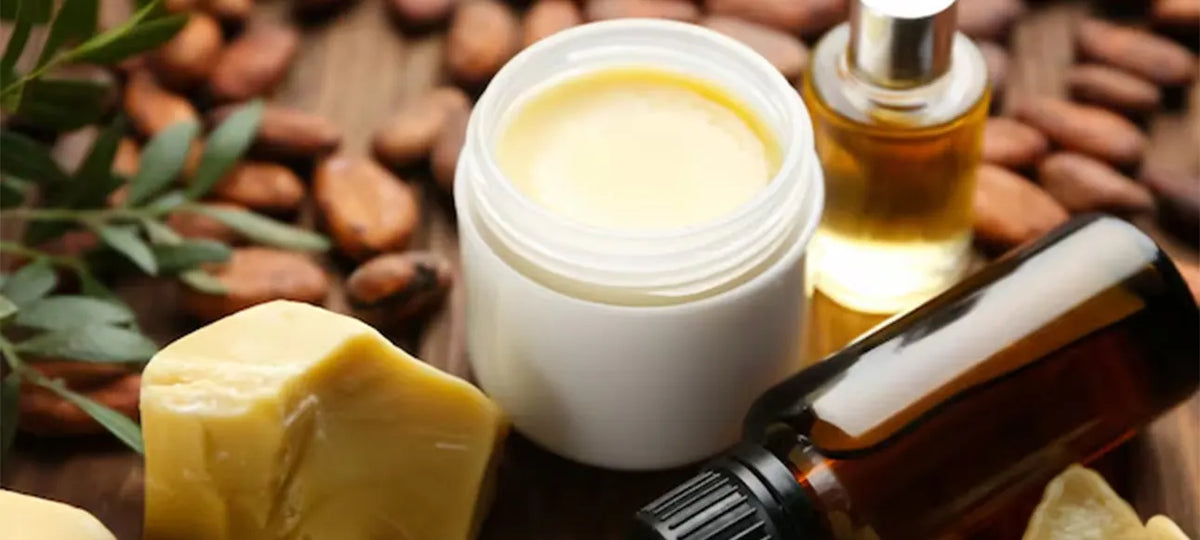
Tallow for Acne-Prone Skin: Benefits, Uses, and What to Know
Beef tallow offers rich, moisture-sealing care, but acne-prone skin needs the right approach. Learn how tallow benefits dry or sensitive acne-prone skin, whether it can clog pores, how it works for oily skin and redness, and the best way to use it in your routine.

 Fact Checked
Advertiser Disclosure: We independently select all the products. If you click through links we provide, we may earn a commission.

Finding the right moisturizer for acne-prone skin takes some trial and error. You want enough moisture that your skin feels soft and comfortable. What you don't want is something that sits heavy on your face all day.
That's why tallow for acne is becoming so popular.
Tallow is a rich, fat-based ingredient made from rendered beef fat. The fatty acids in it soften and condition your skin, and they also build a layer that keeps moisture from getting away from skin.
So, is tallow good for acne?
It can be a useful moisturizer for acne-prone skin, especially when your face also feels dry, flaky, or tight. However, tallow is best viewed as supportive skincare. Its texture is naturally rich; the amount you use and your individual skin type both matter here.
Let's look at how tallow works, and whether it belongs in your acne-prone routine.
Key Takeaways
- Tallow provides rich moisture that can help keep dry, acne-prone skin soft and comfortable.
- Its fatty acids help condition the skin and reduce moisture loss.
- Oily or congestion-prone skin may do better with a small amount applied only where needed.
- Simple, fragrance-free tallow formulas may be better suited to sensitive or redness-prone skin.
- Tallow may provide moisturizing support for rosacea-prone skin, but it does not treat rosacea itself.
- Start slowly and watch how your skin responds, especially if you are prone to clogged pores or breakouts.
What Is Beef Tallow?
Beef tallow is the fat from cattle.
Rendering means gently heating beef fat until the liquid fat separates from the remaining tissue. It's then strained, purified, and left to cool. At room temperature, the finished tallow goes firm or semi-solid.
Beef tallow is mainly comprised of triglycerides, and it naturally contains various fatty acids such as oleic acid, palmitic acid, and stearic acid.
Those fatty acids are responsible for the rich smooth texture of tallow. They play a significant role in the reason for its gaining popularity in skin care.
Beef tallow is frequently used in face cream, body lotion, moisturizing creams, lip products and soaps. Some formulas are very simple; others combine tallow with plant oils, beeswax, essential oils or botanical ingredients.
How Does Tallow Work on the Skin?
Tallow helps to soften your skin, and it helps to retain moisture. As a skincare ingredient, its main function is as an emollient and occlusive. An emollient helps to smooth and soften dry and rough skin. This protective layer is created by an occlusive, and it slows down moisture loss.
This combination is useful if you're prone to acne and your skin is also dry. You lose very small amounts of water from your skin throughout the day. A fat like tallow slows down that process, making skin feel better for longer.
For added moisture, use a little over moist skin or your preferred moisturizer. The water comes from the hydration, and the tallow keeps it in.
Is Tallow Good for Acne?
Tallow is a nourishing product that can be an excellent addition to the skincare routine of acne-prone skin, especially when the skin needs additional moisture and nourishment.
Acne-prone skin can also experience dryness and irritation, even when it is well hydrated, and an adequate level of moisture can make the skin feel soft, smooth, and more comfortable.
Beef tallow formulation can be of particular use there. It has naturally rich fatty acids that help in moisturizing dry areas and forming a protective layer that holds the moisture locked in.
Frequent application of tallow has been shown to aid in keeping the skin comfortable, and has been shown to be longer-lasting in doing so for dry, acne-prone skin.
When used as part of a well-rounded skin care routine when it comes to moisturizing the acne-prone skin and keeping it soft, comfortable and well-maintained.
According to Heather Woolery-Lloyd, MD, FAAD, Dermatologist
Beef tallow can be a rich moisturizing option when acne-prone skin also feels dry, tight, or flaky. Its fatty acids can soften the skin and help limit moisture loss, leaving dry areas feeling smoother and more comfortable. The key is using a small amount and choosing a simple formula that works well with your individual skin.
Tallow for Oily Skin
Oily skin naturally produces more sebum, so it may not need the same amount of rich, moisture-sealing ingredients as very dry skin. Still, oily skin can feel dehydrated or develop dry patches. And a small amount of tallow may bring real comfort in those moments. Try a thin layer at night, or apply it only where your skin feels dry.
If your skin becomes excessively greasy or starts feeling congested, simply cut back on how much you use. The goal isn't to cover your face in tallow. It's to give your skin enough moisture to feel soft and balanced.
Does Tallow Clog Pores?
This is an important question for anyone considering tallow for acne. And the answer isn't the same for everyone.
Your pores' reaction will depend on your skin type, the quantity of product you use, the frequency of applications, and the entire formula. Naturally rich and occlusive, that is why dry skin might enjoy tallow. However, it may be too much for oily and congestion-prone skin
So start small. This is the simplest way of all.
Use a small amount for a few days on one area. If it does not irritate your skin, slowly introduce it to other parts. If you see any new blackheads, whiteheads, bumps or breakouts, take a break and see if your skin gets better.
Tallow for Sensitive Skin
Tallow for sensitive skin can be appealing, largely because many tallow products use relatively simple formulas. Still, it's worth checking the complete ingredient list.
Essential oils, fragrances, botanical extracts, beeswax or plant oils may be added to a tallow cream as well. It is your skin which is responding to the formula which has been finished, rather than to the tallow.
When sensitive, it is best to find a fragrance-free, simple product whenever possible. And you may patch test it first. Apply to one part and wait until your skin reacts before applying it to your face. Provided that you are comfortable, slowly make it part of your routine.
Can Tallow Help With Redness?
Tallow is a soothing option for red, dry, or sensitive skin. It contains a high content of fatty acids that are rich in softening properties and retain valuable moisture in the skin.
Tallow helps maintain a healthy, comfortable, soft-feeling skin barrier by keeping skin well moisturized. Its soothing consistency works particularly well with dry skin, which can cause the skin to become tight and stressed.
If you have dryness that is causing your skin to become red, using a little tallow will help to add moisture and some everyday comfort to your skin.
Each skin type is different, and sensitive application and awareness of skin reaction will ensure you get the best out of tallow.
Tallow for Rosacea
Using tallow for rosacea takes a little more care, since rosacea is a medical skin condition. Rosacea-prone skin can sometimes feel dry and sensitive, so keeping it moisturized is often an important part of skincare.
A simple tallow cream may provide a rich moisture-sealing layer for people whose skin tolerates it. And the complete formula matters just as much here. If your skin is reactive, a simple product without unnecessary fragrances or essential oils may be a better place to start.
Introduce it gradually and pay attention to how your skin responds. If you're already following a dermatologist-recommended rosacea routine, ask how a tallow product could fit alongside your existing products.
How to Use Tallow on Acne-Prone Skin
Using tallow is simple.
- Start with clean skin: Wash your face with your usual gentle cleanser.
- Add hydration: Leave your skin slightly damp, or apply your regular hydrating moisturizer first.
- Take a tiny amount: Tallow is concentrated; you need much less than you'd use with a regular lotion.
- Warm it between your fingertips: The warmth is what softens the tallow and makes it easier to spread.
- Press it gently onto your skin: Concentrate on dry areas instead of automatically covering your whole face.
- Give your skin time: Start a few nights per week and adjust based on how your skin feels.
And nighttime is an easy place to begin, since tallow's rich texture gets plenty of time to settle into the skin.
Choosing Tallow for Acne-Prone Skin
The quality of the finished skincare product matters. Find tallow that has been properly rendered, purified and used for cosmetics. Again, with acne-prone and sensitive skin types, a shorter ingredient list makes it easier to tell what works.
If you want to look after where the ingredients in your product come from, then you will find that many people prefer to use grass-fed and grass-finished beef tallow. The animal's diet can influence aspects of the fat's composition; sourcing is still only one part of choosing a good skincare product. Also consider the processing method, freshness, storage, other ingredients, and the formulation. Most importantly, choose a product that feels good on your individual skin.
Who May Benefit Most From Tallow?
Tallow is particularly appealing if your acne-prone skin is also dry.
You may enjoy using it if your skin:
- Feels tight after cleansing
- Has rough or flaky patches
- Gets noticeably drier in winter
- Responds well to facial oils
- Likes rich creams and balms
- Needs extra nighttime moisture
Combination skin can use tallow selectively too. You could apply it to dry cheeks, for example, and leave an oily forehead or nose alone. That flexibility is what makes tallow so easy to match to what your skin actually needs.
Who Should Use Tallow More Carefully?
If your skin is naturally very oily or congests easily, introduce tallow gradually.
Start with the smallest amount possible, and skip the thick layer.
Watch for changes over the next several days. If your face stays comfortable and clear, you can continue. If you notice increased congestion, cut back or stop.
If you have painful cystic acne, ongoing irritation, rosacea, or another diagnosed skin condition, consult with a dermatologist; they can help you build a routine that treats the condition while keeping your skin properly moisturized.
Can You Use Tallow With Your Regular Moisturizer?
Yes, You don't necessarily need to choose between tallow and your favorite moisturizer.
They can work together nicely.
A regular moisturizer may contain humectants such as glycerin or hyaluronic acid that attract and hold water. Tallow mainly brings the rich emollient and occlusive properties that soften skin and slow moisture loss.
And that's what makes layering so simple.
Apply your hydrating moisturizer first. Then warm a tiny amount of tallow between your fingers and gently press it onto dry areas.
The first product provides hydration; tallow keeps that moisture in.
For dry acne-prone skin, this feels more comfortable than a heavy layer of tallow by itself.
Conclusion
Tallow is an easy and nourishing addition to an acne-prone skin care regime, especially if your skin is also dry, rough, or tight.
Its rich texture is what gives it the protective layer which prevents moisture loss from the skin, and its natural fatty acids condition and soften.Dry acne-prone skin loves its richness, while oily or congestion-prone skin often will prefer a little or a point application. Simple formula, which is introduced over time, helps sensitive skin.
Go slow, observe your skin's reaction, and adjust accordingly. To get your acne prone skin soft, smooth and comfortable without feeling dry, the right amount of tallow is just about as easy as it gets.
FAQs

Read More Articles


EXPLORE ALL PRODUCTS









References
Flawless Bloom has strict sourcing policies and relies on primary sources such as medical organizations, academic institutions, governmental agencies, and peer-reviewed scientific journals. Read more about how we ensure our content is accurate, thorough, and unbiased by reading our editorial process.
- Tallow, Rendered Animal Fat, and Its Biocompatibility With Skin: A Scoping Review https://pmc.ncbi.nlm.nih.gov/articles/PMC11193910/
- Moisturizers for Acne https://pmc.ncbi.nlm.nih.gov/articles/PMC4025519/
- Aesthetic Medicine Management and the Role of Dermocosmetics for Acne‐Prone Skin: A (Narrative) Mini Review https://pmc.ncbi.nlm.nih.gov/articles/PMC12274962/
- Recent Advances in the Management of Rosacea through Natural Compounds https://pmc.ncbi.nlm.nih.gov/articles/PMC10892689/